Thermometers Compared: Ear, Forehead, Oral and No-Touch
How ear, forehead, oral and no-touch infrared thermometers differ in accuracy and convenience, and which one fits a newborn, a toddler or a whole household.
Every thermometer answers the same question — how warm is the body core — but each method reaches that answer differently, and the differences matter most at 2 a.m. with a restless child. Here is how the four common types actually behave.
Ear (tympanic) thermometers
An ear reading reflects the core temperature closely because the eardrum shares blood supply with the hypothalamus. The catch is technique: the probe must sit in the ear canal with the canal straightened, which means pulling the ear gently back and up for adults and back for young children. Inflamed or blocked canals, earwax and a cold room can all pull the number down. Ear thermometers are fast, well tolerated by older children, and the best single choice for a household that wants one accurate device.
Forehead (temporal) thermometers
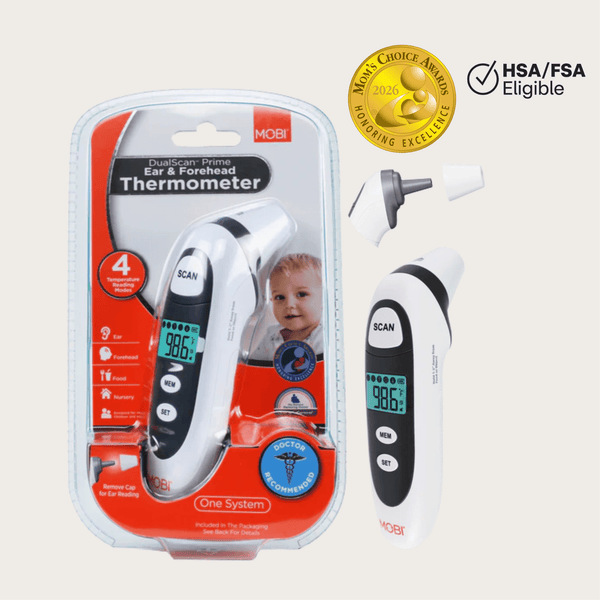
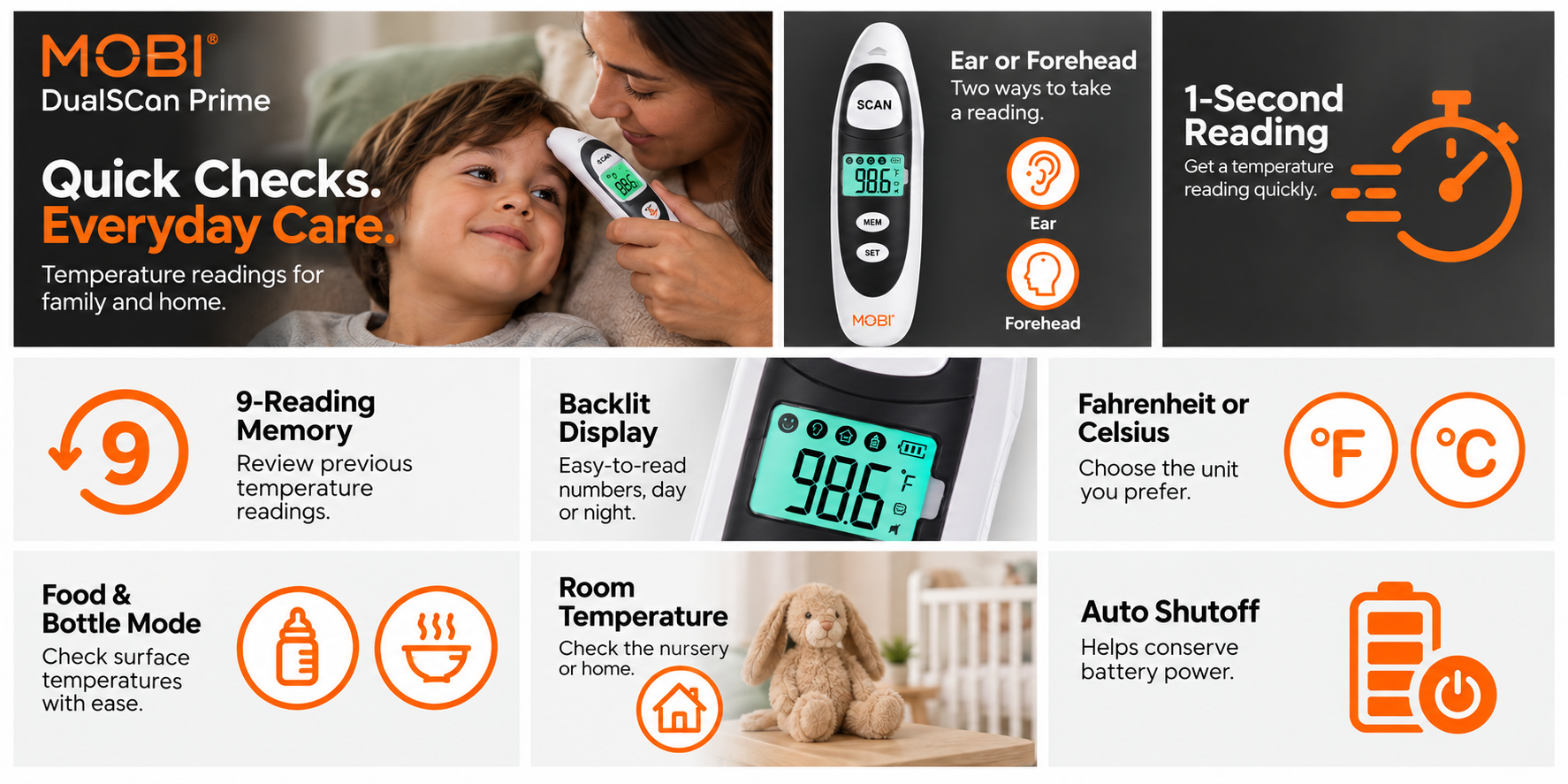
Forehead scanning is comfortable and non-invasive, and it is easy to use on a sleeping child because nothing enters the body. Readings track a little lower than ear or oral measurements, so consistency matters more than the absolute number: scan the same spot, the same way, each time. Models such as the DualScan Prime include both ear and forehead modes, which lets you confirm an unexpected forehead reading with an ear reading on the spot.
Oral thermometers
Oral measurement is dependable and inexpensive, which is why it remains a standard in clinics. It needs cooperation — nothing to eat or drink for 15 minutes beforehand, mouth closed, tongue down — so it suits adults and children old enough to comply. For infants, a pacifier-style oral thermometer can work while soothing, but it is a compromise rather than a precision instrument.
No-touch infrared
Non-contact thermometers measure forehead temperature from a couple of centimeters away, which is ideal for shared use: no skin contact, no covers to replace, no disturbance. They are excellent for screening and for repeated checks, and many models also read surface temperatures of bath water, food and a room. The trade-off is sensitivity to ambient conditions and distance, so follow the device's stated gap and keep the forehead dry and uncovered.
Practical buying advice
- If you have an infant, prioritize ear and forehead modes and a fast reading.
- If several people share one device, choose no-touch to avoid hygiene concerns between users.
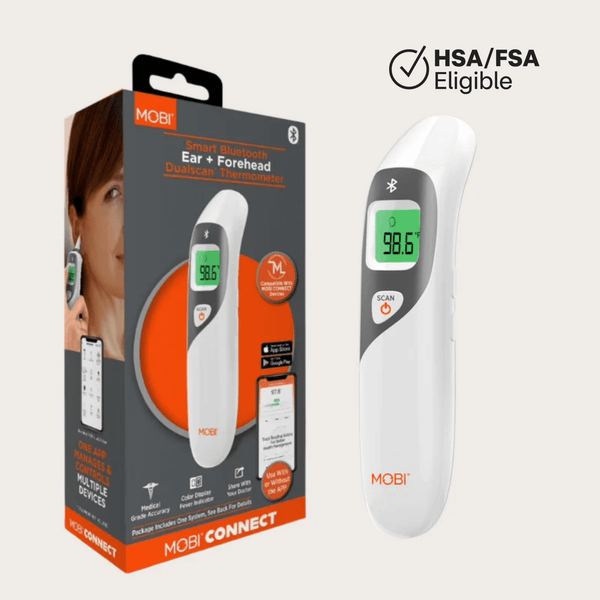
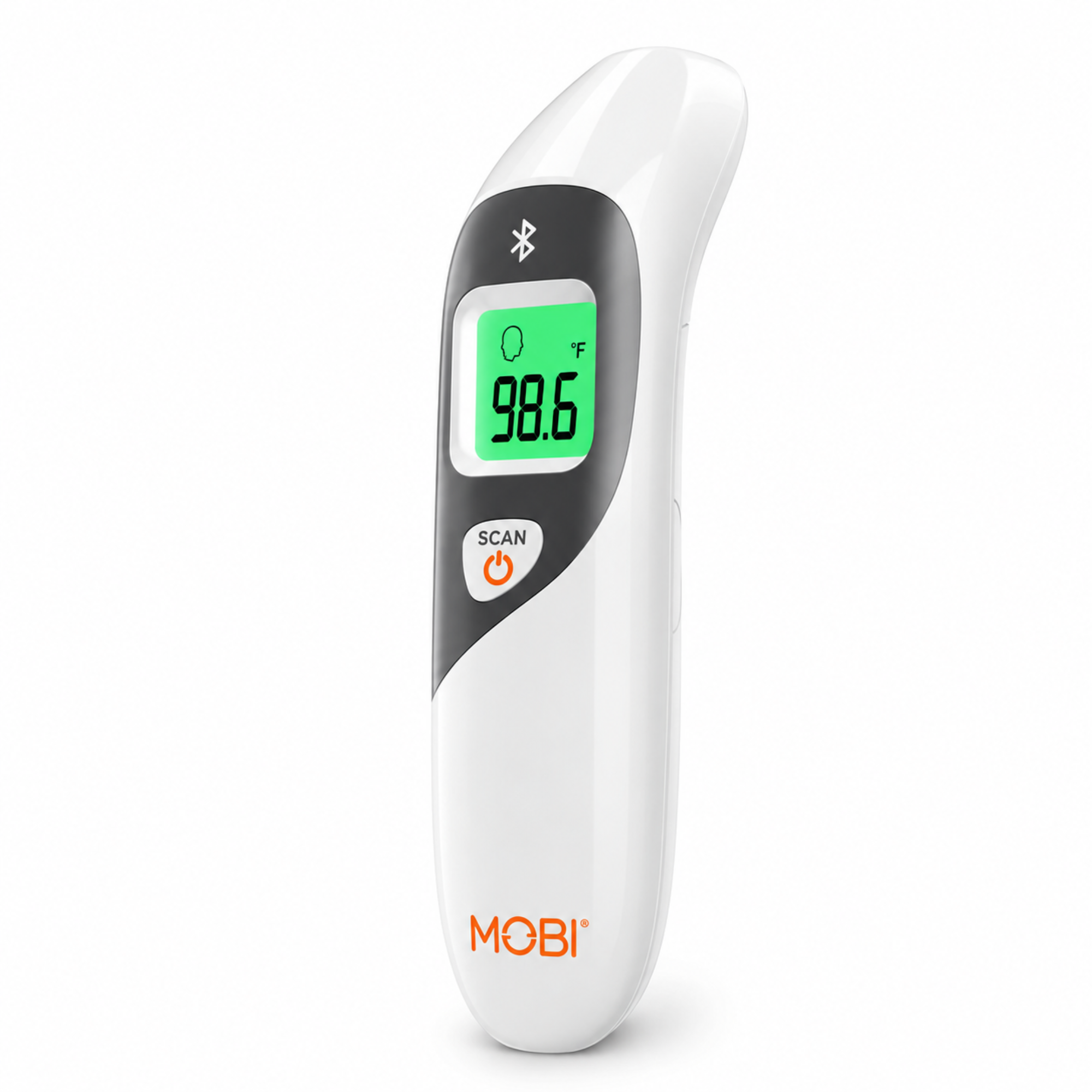
- If you want fever history for a pediatric appointment, choose a Bluetooth model that logs readings automatically.
- Whatever you choose, keep it in the same spot and take the reading the same way, so today's number is comparable to yesterday's.
Reading a fever sensibly
Temperature alone rarely tells the whole story. Note the reading, the time, the method and how the person looks and behaves, and treat a fever in an infant under three months as a reason to call a clinician rather than a number to watch at home.